AHA vs Red Cross CPR: Which Do Employers Want?
The honest comparison between AHA and Red Cross CPR certifications — which one Orlando employers actually require and why it matters.
Current English CPR/BLS offer: $50 total (regularly $90), including processing fees. Book and pay online upfront. Weekday afternoons at 1 p.m.; see the booking calendar for available dates.
AHA vs Red Cross: Which CPR Certification Do You Need?
The short answer for anyone working in healthcare in Orlando: AHA. The American Heart Association's BLS (Basic Life Support) certification is the standard required by nearly every hospital, clinic, and healthcare employer in Florida. If you're getting certified for a healthcare job, AHA is what they'll ask for.
That said, Red Cross CPR certification is perfectly valid for non-healthcare settings. Here's when each one makes sense.
For Healthcare Workers: AHA Is the Standard
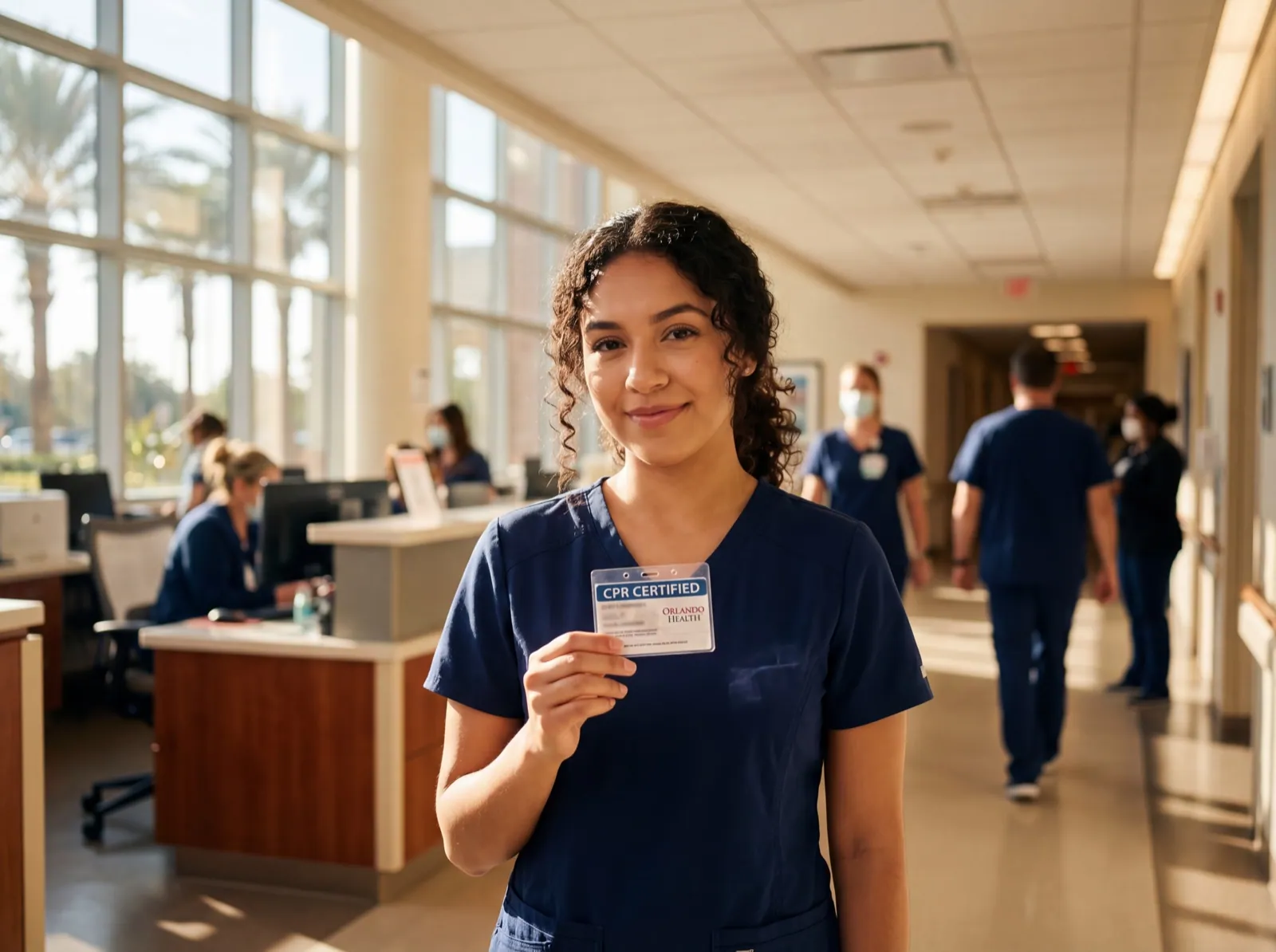
AdventHealth, Orlando Health, and virtually every clinical employer in Central Florida requires AHA BLS certification. This isn't a preference — it's a hiring requirement. If you show up with a Red Cross card for a clinical position, you'll likely be asked to re-certify through AHA before starting.
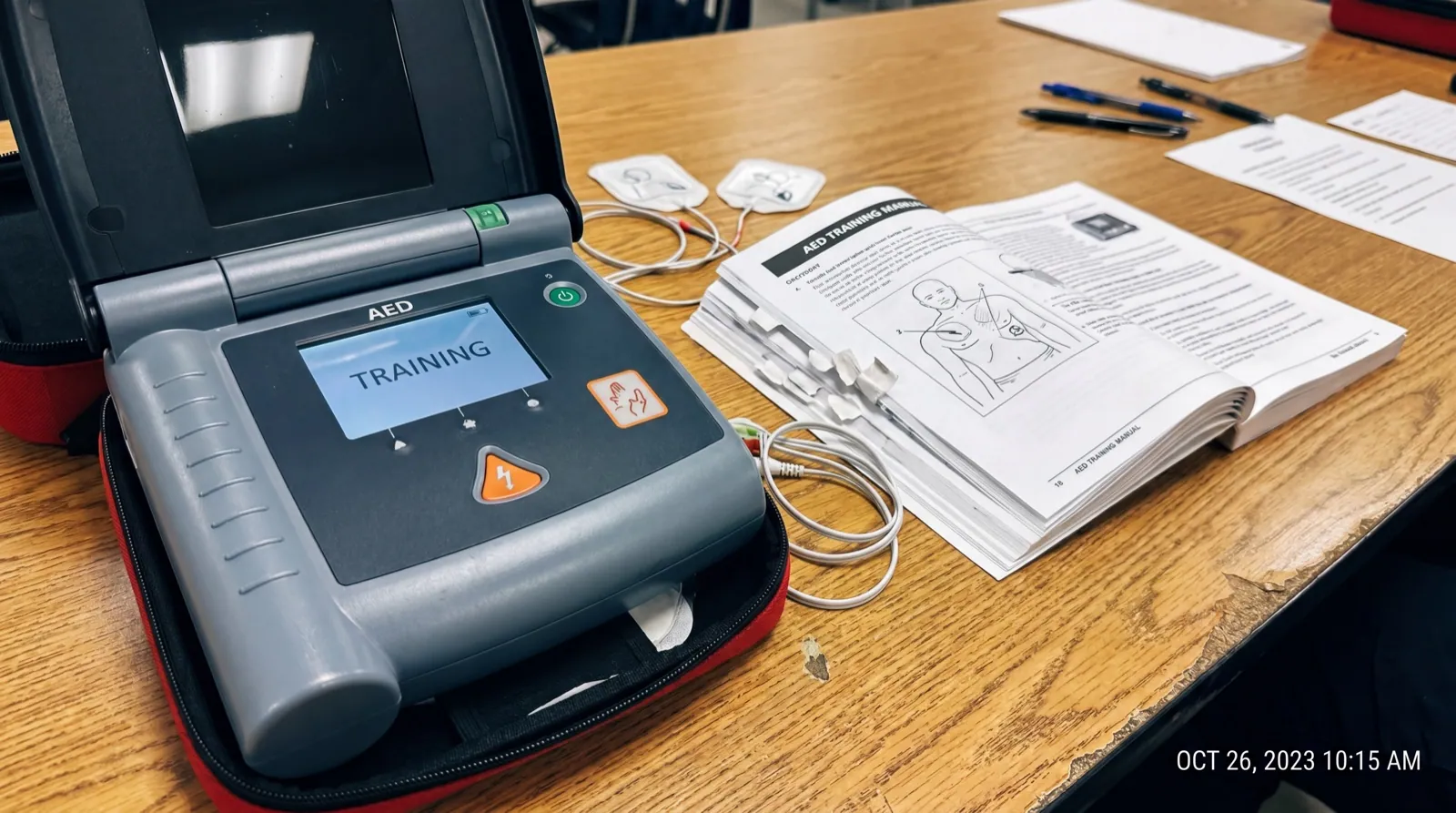
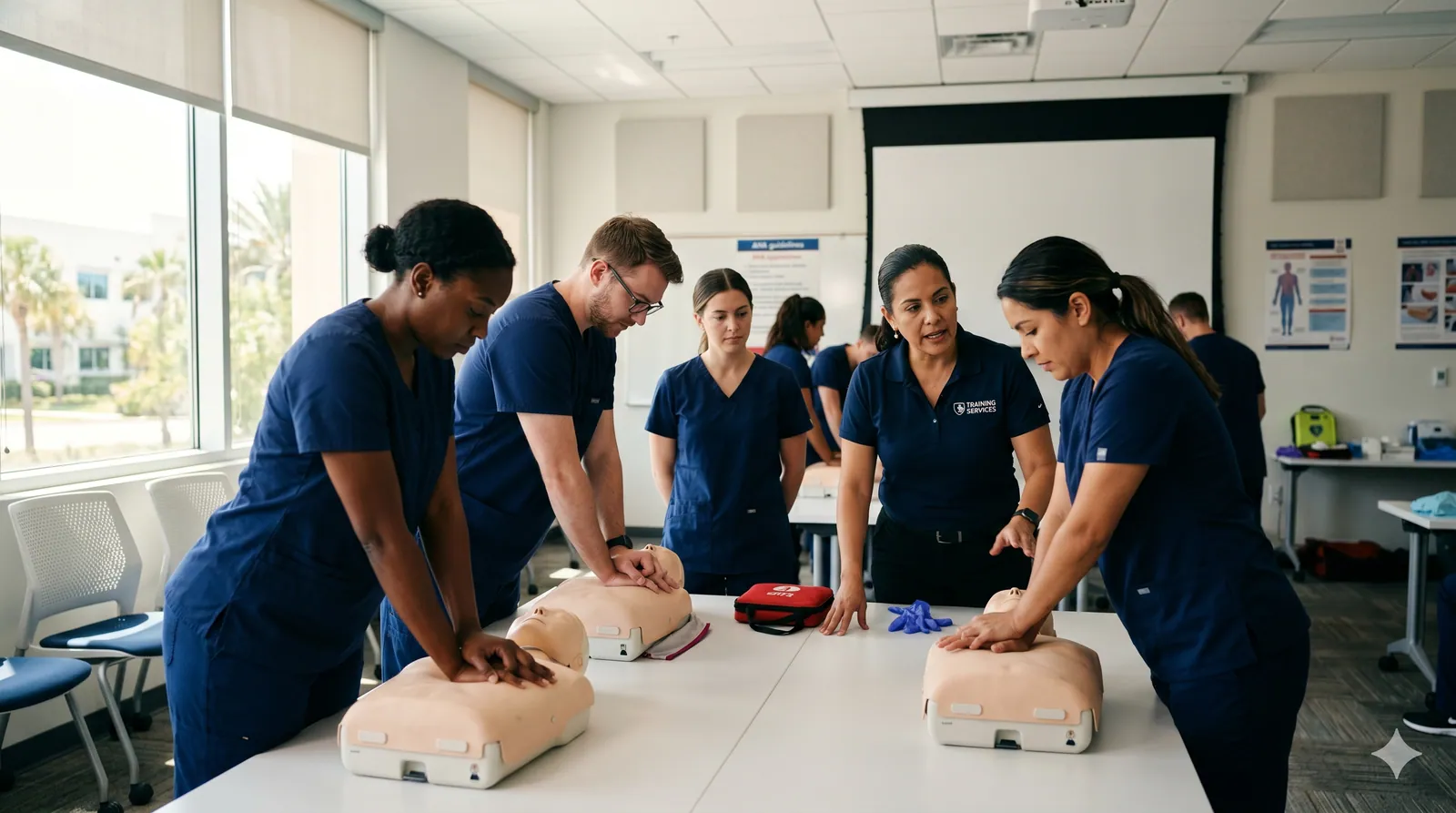
AHA BLS covers healthcare-specific scenarios: two-rescuer CPR, bag-valve mask ventilation, team-based resuscitation, and advanced choking interventions. These are the skills clinical employers need their staff to have.
For Everyone Else: Either Works
If you need CPR certification for a daycare, school, gym, restaurant, or personal knowledge — both AHA and Red Cross certifications are widely accepted. Red Cross tends to offer more community-based class locations and online-hybrid options. AHA tends to emphasize hands-on clinical rigor.
Cost and Time Comparison
- AHA BLS: Typically $49-$90, 2-4 hours in person, 2-year certification
- Red Cross CPR: Typically $75-$100, variable format (online + skills check), 2-year certification
At CareTech Academy in Orlando, AHA BLS certification is regularly $90 — currently $50 with the year-end special — and takes about 2 hours. You walk out with your card the same day.
The Bottom Line
If there's any chance you'll work in a clinical healthcare setting — now or in the future — get AHA certified. It's the safer bet, it's widely recognized, and it covers more advanced skills. If you just need basic CPR knowledge for a non-medical workplace or personal preparedness, either certification will serve you well.
Book your AHA BLS class at CareTech Academy or call (321) 321-5517.